
Sports & Acute Injuries
Assessment and rehabilitation for sporting injuries, tendon disorders, and acute shoulder, hip or knee conditions.
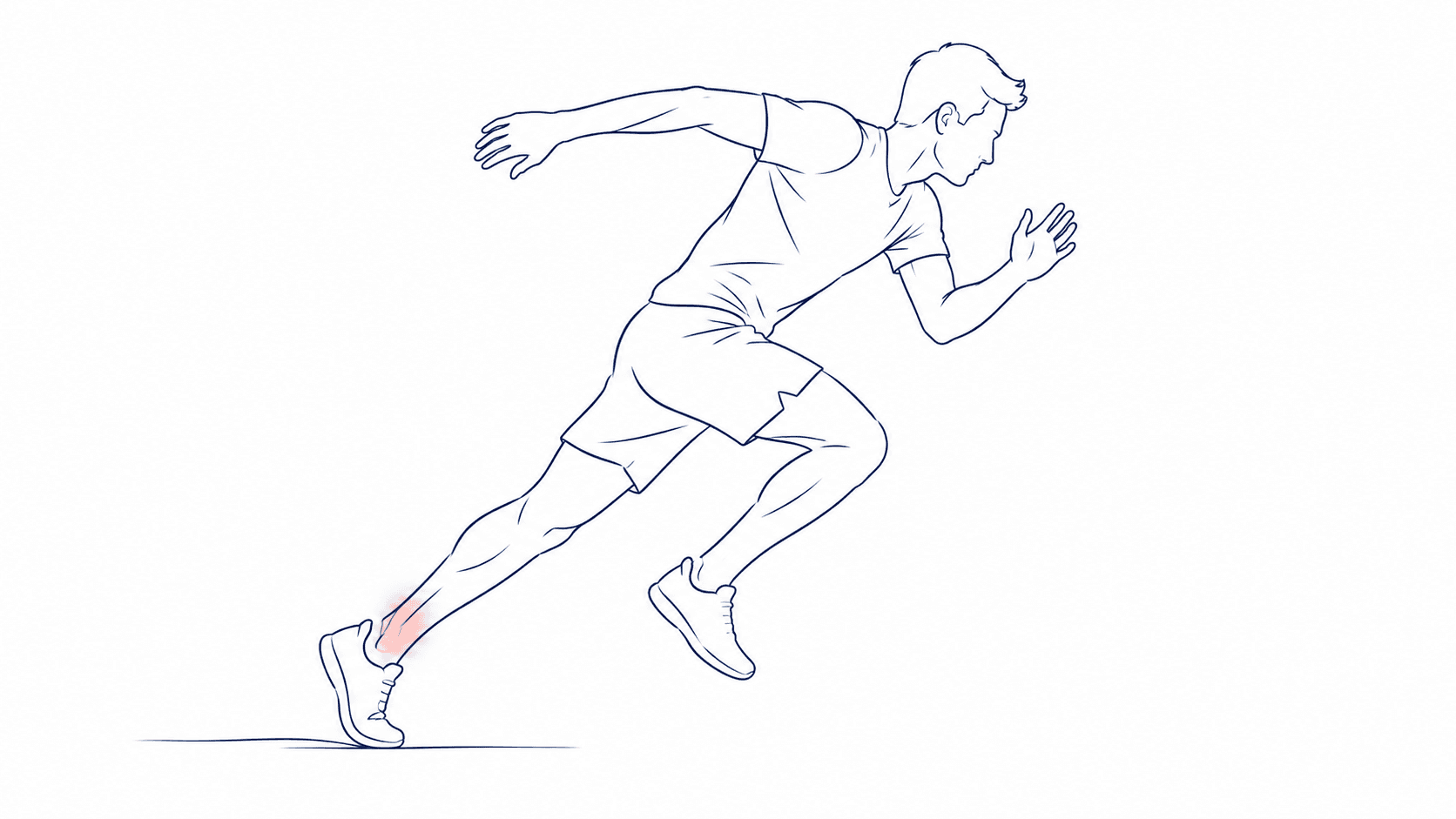
Injuries happen quickly. Recovery shouldn’t be left to chance.
Injuries can happen during sport, exercise, work or everyday activities — often without warning. Early assessment helps you understand what’s actually been injured, what’s safe to do in the meantime, and what your path back to the activities that matter to you looks like.
We Commonly Help People With
- Ankle sprains
- Knee ligament injuries
- Muscle tears and strains
- Shoulder injuries and dislocations
- Tendon pain
- Sporting injuries
- Gym-related injuries
- Falls and sudden injuries
- Returning to work after injury
Skilled Assessment
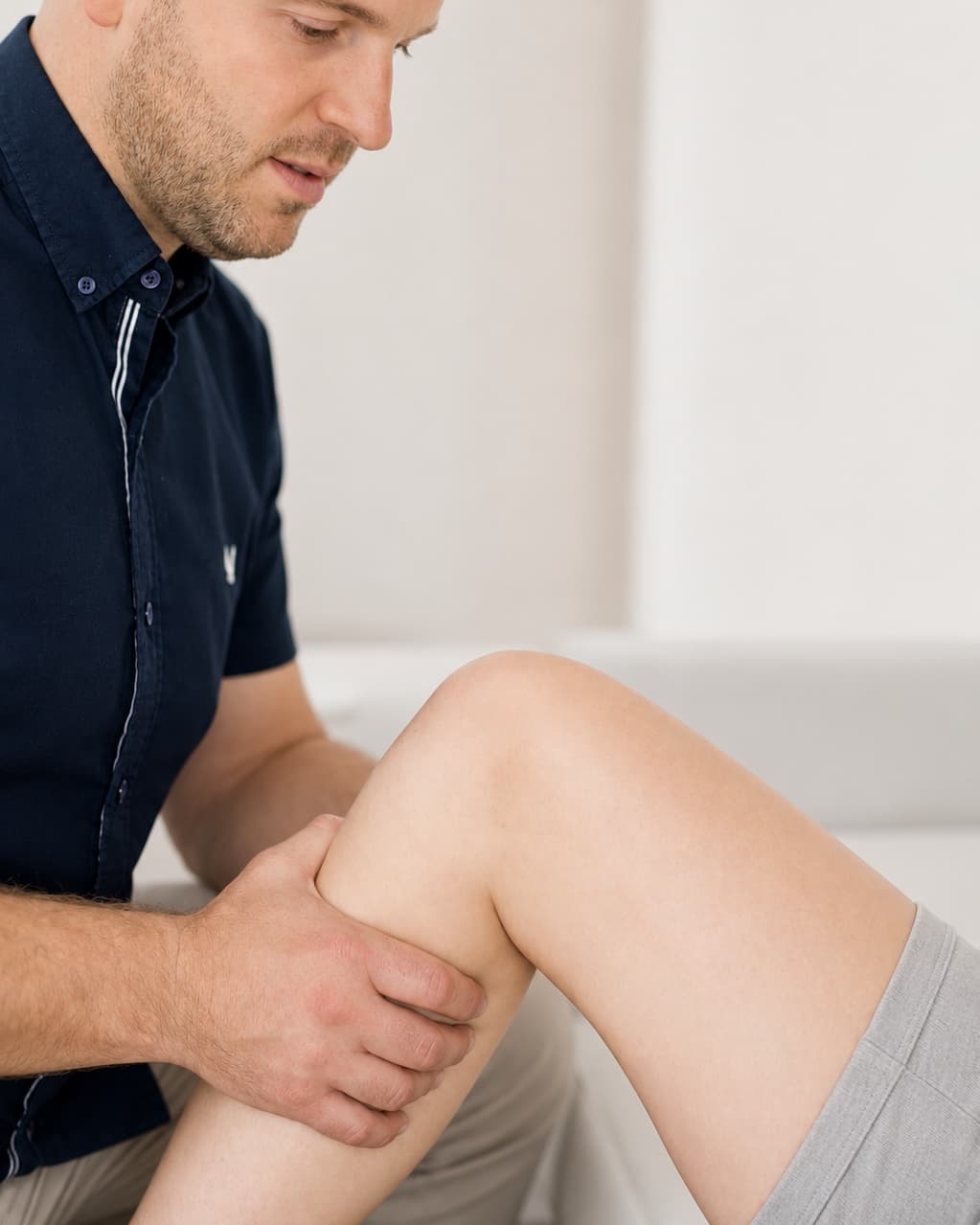
A thorough, hands-on assessment is the foundation of good rehabilitation. Skilled palpation, movement testing and clinical examination help identify exactly which structures have been affected and how they’re behaving — not just where you feel pain.
That hands-on skill, combined with your history and a clear understanding of movement, means your rehabilitation is guided by what’s actually going on beneath the surface, not guesswork.
Emergency Experience
Matthew’s background includes emergency physiotherapy and advanced musculoskeletal practice, assessing a wide range of acute injuries — from straightforward sprains and strains through to more complex presentations — working closely alongside orthopaedic surgeons and emergency physicians. You can read more about that background on the About Matthew page.
That experience shapes how acute injuries are assessed here: recognising when something is straightforward and safe to manage with physiotherapy, and when further investigation or specialist review is the more appropriate next step.
Returning to Sport Isn’t Just About Pain
Pain often settles well before the injured tissue is actually ready for the demands of sport or higher-level activity. Rehabilitation progressively restores strength, movement, confidence and sport-specific function, so your return to unrestricted activity is based on readiness — not just the absence of pain.
When Further Investigation May Be Needed
Most sporting injuries and acute musculoskeletal conditions can be assessed and managed by a physiotherapist without further investigation. Occasionally, imaging, a GP review, or specialist input is the more appropriate next step — for example, where a significant structural injury is suspected, or where recovery isn’t progressing as expected. Recognising when that’s needed is part of good clinical care.
Where this applies to you, it will be discussed with you clearly, and a referral back to your GP or an appropriate specialist will be recommended.
Book Your Assessment
Speak with an Advanced Musculoskeletal Physiotherapist about your sporting injury or acute condition.