
Post-operative Rehabilitation
Structured rehabilitation following orthopaedic surgery, including joint replacement and spinal decompression.
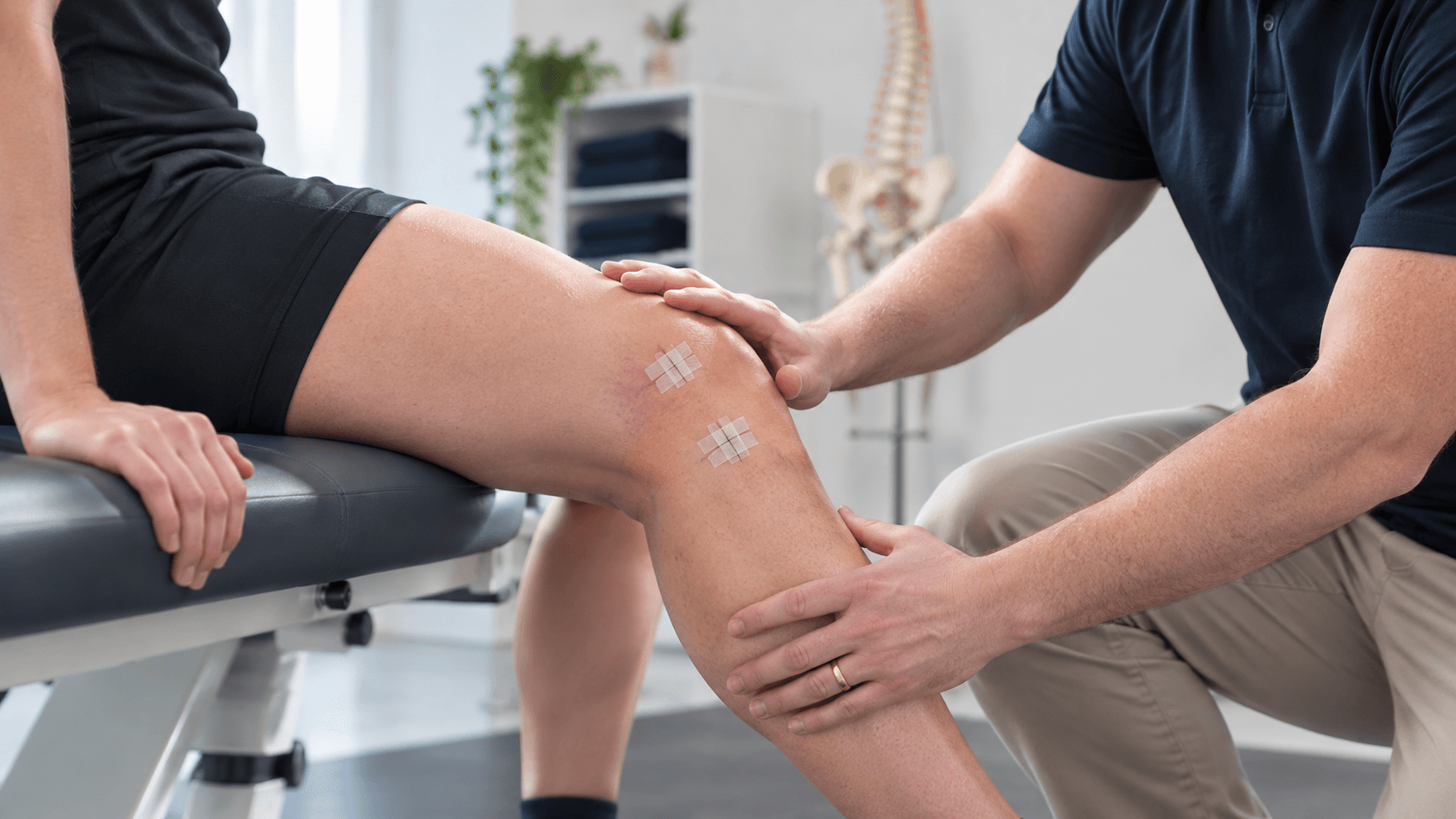
Surgery is one step in recovery. Rehabilitation is where you rebuild movement, confidence and function.
It’s common to feel uncertain during recovery — wondering whether you’re progressing normally, moving enough, or doing too much. Rehabilitation is what helps answer those questions, guiding you safely from surgery back to full movement and function.
We Commonly Help People Recover After
- Joint replacement surgery
- Spinal surgery, including decompression
- Fracture fixation
- ACL reconstruction and other ligament surgery
- Shoulder stabilisation and rotator cuff repair
- Tendon repair surgery
- Other orthopaedic procedures
Experience Matters
Matthew’s experience with post-operative recovery comes from years working within Austin Health’s orthopaedic and spinal services — including inpatient orthopaedic rehabilitation, spinal surgery rehabilitation, and emergency physiotherapy, working closely alongside orthopaedic surgeons and other medical specialists throughout that time. You can read more about that background on the About Matthew page.
Rehabilitation after surgery is more than progressing exercises. It means understanding healing timelines and surgical precautions, recognising when recovery is progressing as it should, and knowing when review by your surgeon may be the right next step.
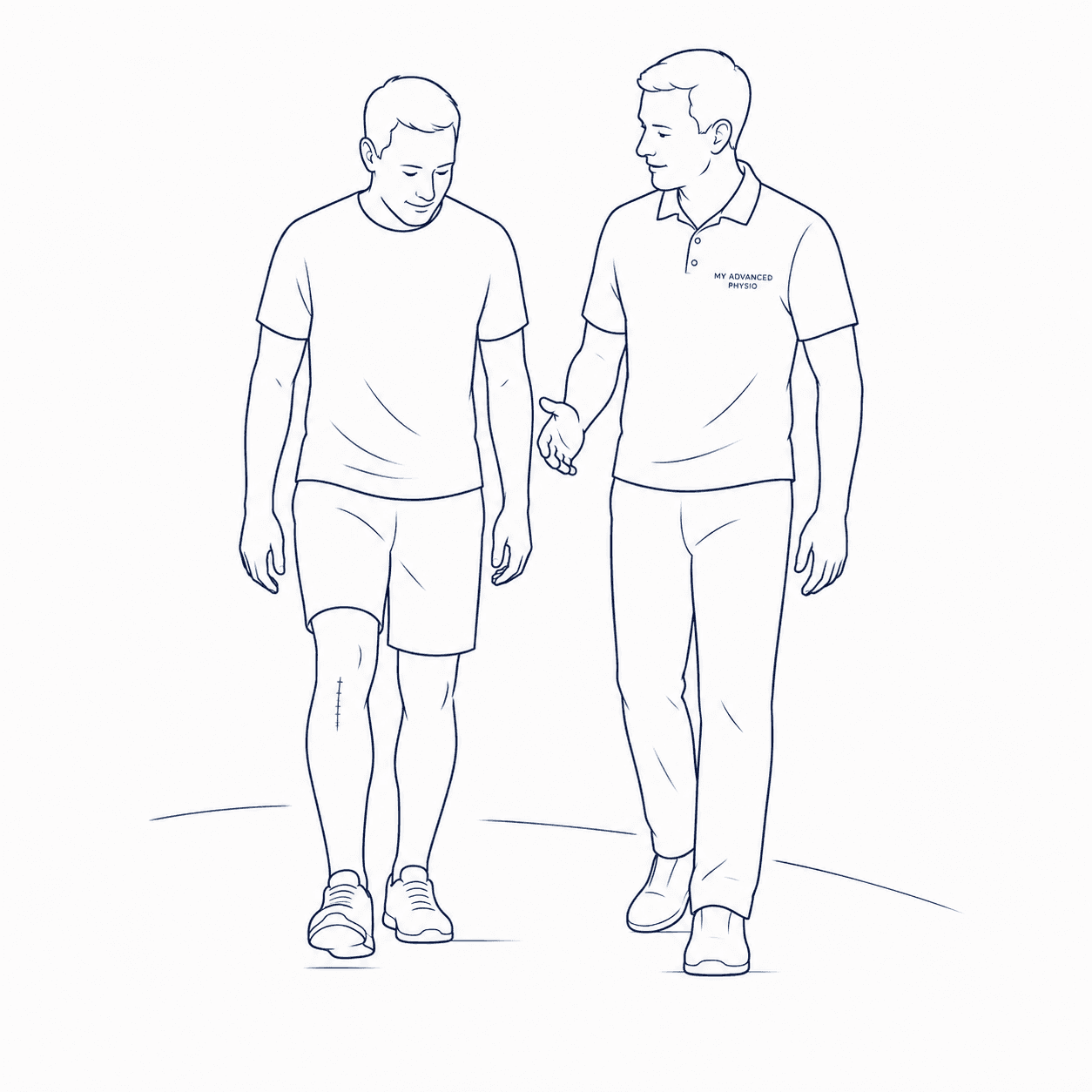
How We Can Help
During recovery, most patients find themselves asking similar questions.
“Is my recovery progressing normally?”
“Am I doing enough — or too much?”
“When can I safely return to work?”
“When can I return to exercise or sport?”
These are exactly the kinds of decisions rehabilitation helps guide. Recommendations are built around the operation you’ve had, your current stage of healing, your functional goals, and your surgeon’s guidance — not a generic recovery timeline.
What to Expect
Recovery tends to follow a broad arc — from early recovery, through restoring movement, to building strength and confidence, and eventually returning to everyday activities, work and recreation.
How quickly you move through each stage depends on your surgery, your healing, and how your body responds, so your program is guided by how you’re actually progressing rather than a fixed timeline.
When Further Review May Be Needed
Most post-operative recovery progresses well with structured rehabilitation, guided by your surgeon’s protocol. Occasionally, symptoms suggest that review by your surgeon or treating team is the appropriate next step — for example, where recovery isn’t progressing as expected, or where new symptoms arise.
Recognising when that’s needed is part of rehabilitation itself. Where it applies to you, it will be discussed with you clearly, and a referral back to your surgeon or GP will be recommended.
Book Your Assessment
Speak with an Advanced Musculoskeletal Physiotherapist about your post-operative rehabilitation.